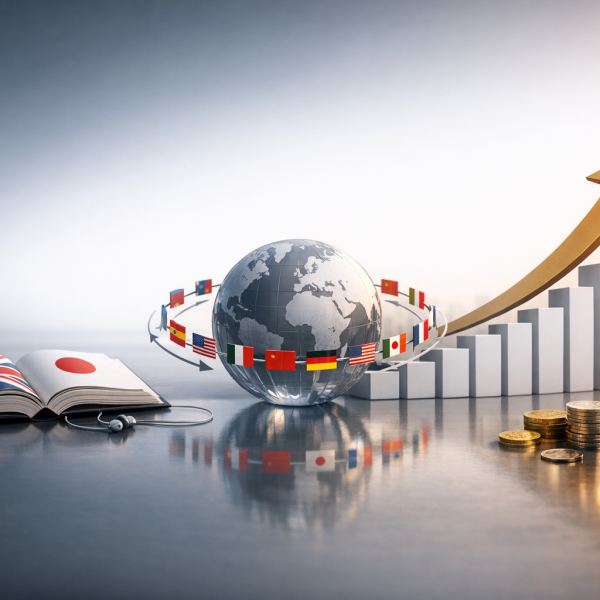
Expanding into new markets is no longer optional for ambitious companies; it is a core pathway to revenue growth. Yet many brands still treat marketing content as if a single English version can speak to every audience worldwide. That approach leaves money on the table. Strategic marketing translation unlocks real international revenue by making campaigns resonate with the language, culture, and behavior of local buyers.
Main Research
1. Turning Generic Messages into Local Revenue Drivers
Literal translations rarely sell. Buyers want to feel that a message was crafted for them, in their own language, reflecting their needs and aspirations. Marketing translation takes your existing campaigns and reshapes them so they feel local instead of foreign. Headlines, taglines, calls to action, and even product names may need rethinking to preserve intent and emotional impact. When this is done well, conversion rates improve significantly because customers feel understood rather than targeted from afar.
2. Building Trust with Native-Level Brand Communication
Trust is the first step to any sale, particularly in a new market where your brand has no history. Poor or machine-like translations suggest a lack of professionalism and can even raise doubts about product quality or support reliability. Working with a specialized Turkish localization company ensures your marketing content reads as though it was originally written by native marketers, not translated. This authentic voice shortens the time needed to build brand trust and moves buyers faster through the funnel.
3. Aligning Messaging with Local Culture and Buyer Psychology
Words alone are not enough; culture determines what those words mean in context. A phrase that feels inspiring in one market can sound aggressive, funny, or even offensive in another. Marketing translation specialists act as cultural consultants, flagging sensitive topics and adjusting tone, humor, and imagery. They also adapt value propositions to the priorities of each market, whether that is price, status, safety, or innovation. This cultural intelligence directly impacts revenue by making campaigns persuasive instead of confusing or alienating.
4. Boosting Local SEO and Organic Traffic
International revenue increasingly depends on whether potential customers can find you online in their own language. Directly translating English keywords is not enough; people search differently in each market. Effective marketing translation includes localized keyword research, optimizing titles, meta descriptions, headings, and on-page copy for how locals actually search. This helps your website rank on country-specific search engines and language variants, bringing a steady stream of qualified organic traffic that converts without constant ad spending.
5. Increasing ROI on Paid Campaigns Across Markets
Paid ads are expensive, especially when performance is weak. When marketing campaigns are localized, click-through rates and relevance scores typically climb, while cost per acquisition drops. Ads written by native experts draw more qualified clicks because they use familiar phrases, address local pain points, and reflect regional norms. Landing pages aligned with those ads further lift conversion. Enhanced performance across multiple countries multiplies the ROI of your global advertising budget.
6. Supporting Omnichannel Consistency in Every Language
Modern customers encounter your brand across many touchpoints: website, email, social media, marketplaces, and offline materials. In a new country, every one of these channels must present a consistent, native-sounding brand voice. Marketing translation services create style guides, glossaries, and brand-specific linguistic rules to ensure that your voice, terminology, and positioning remain coherent in every language. This consistency strengthens brand recognition, customer loyalty, and long-term revenue potential.
Entering a new market costs money well before it returns any, and localized marketing is one of the more visible line items. Founders usually reach that conclusion, look at their cash position and start asking how other companies fund expansion without giving away ownership. A clear answer to what is debt financing is a useful place to start, because borrowing and raising equity solve the same problem with very different consequences.
7. Localizing Funnels, Not Just Individual Assets
Revenue does not come from a single piece of content; it comes from entire customer journeys. Successful international expansion means translating and localizing each stage of the funnel: awareness content, lead magnets, onboarding sequences, nurture emails, product descriptions, FAQs, and support communications. When the entire journey is aligned and localized, prospects move more smoothly toward purchase and are more likely to become repeat buyers. Isolated translation of one or two assets cannot deliver the same impact.
8. Reducing Friction in the Purchase Experience
Even when a campaign generates interest, revenue can be lost if the purchase experience feels foreign. Local currencies, measurements, formats, legal notices, and customer support channels must be adapted to expectations. Marketing translation teams often collaborate with product, UX, and legal stakeholders to ensure that everything from error messages to checkout instructions is clear and reassuring. This reduction in friction is directly reflected in higher cart completion rates and average order values.
9. Enabling Faster Market Testing and Scale
Expanding into multiple countries requires rapid experimentation. Instead of guessing which messages will work, companies can localize a set of core campaigns, launch, test, and iterate using real market data. Skilled marketing translators make this testing cycle faster by quickly adapting winning messages to new segments or channels within the same region. As effective patterns emerge, brands can scale successful campaigns more confidently, knowing that messaging lands correctly with local audiences.
10. Protecting Brand Reputation While Growing Globally
One mistranslated slogan can damage a brand’s image and delay market entry. Misaligned messaging around sensitive topics such as health, finance, or social issues can spark backlash and regulatory scrutiny. Professional marketing translation helps prevent these costly mistakes by combining linguistic accuracy with market-specific risk awareness. Protecting your reputation is not just a defensive move; it preserves future revenue, enables partnerships, and keeps customer acquisition channels open and effective.
Conclusion
International revenue growth depends on more than simply offering products abroad. Customers must understand, trust, and value what you communicate, in their own language and cultural context. Strategic marketing translation transforms global campaigns into locally resonant experiences that drive traffic, conversions, and loyalty. By investing in expert localization for your marketing content, you turn geographic distance into opportunity and build a scalable foundation for sustainable revenue across markets.